
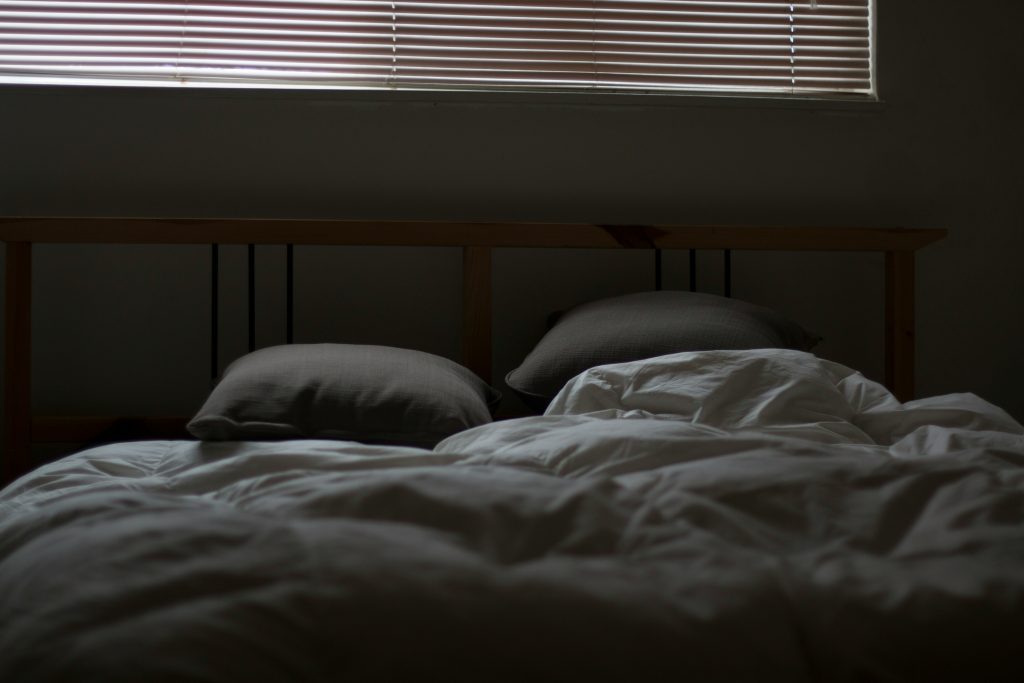
📌 For six months, I barely slept.
What started as the odd restless night turned into full-blown insomnia. I couldn’t fall asleep. When I did, I’d wake in the early hours and lie there, wide awake, wired, and unable to switch off. The constant sleep deprivation triggered anxiety, low mood, and eventually total burnout. I was exhausted but stuck in survival mode.
In the middle of this, I realised I needed to make some serious changes, one of the most important things I did was increase my acupuncture.
📌 How Acupuncture Helped
As soon as I started having acupuncture more regularly, things began to shift. I committed to weekly sessions to support my nervous system and give my body space to recalibrate.
The results were clear:
- I started falling asleep more easily.
- I stopped waking so often in the night.
- My mind felt calmer, and I wasn’t stuck in a constant state of alert.
- My energy during the day improved.
- My anxiety and low mood eased.
Acupuncture helped interrupt the cycle of insomnia and anxiety. It supported my system on every level — not just with sleep, but with emotional and physical recovery too. It became the foundation that allowed all the other changes to take hold.
When I talk to my own patients, I explain that we usually begin with regular treatments until symptoms start to improve. From there, we gradually space sessions out ideally moving to every 6–8 weeks for long-term support. But this is always tailored to the individual and reviewed regularly. Frequency can change depending on how someone is doing, any new symptoms that arise, or shifts in life circumstances. In my case, when insomnia became a significant issue, I needed more consistent support again and it made a huge difference.
📌 The Sleep Habits That Supported My Recovery
Alongside acupuncture, I made some practical adjustments that helped get my sleep back on track:
1. Stick to a Sleep Schedule
Same wake-up and bedtime every day — including weekends. This helped train my body to expect sleep. Have shower before bed and watch the the water go down the drain, wash away any negative energy you may of picked up throughout the day.
2. Get Outside Early
Natural daylight in the morning helped regulate my body clock and boost my mood.
3. Cut the Stimulants
No caffeine after mid day, minimal alcohol, no nicotine and reduce sugar and processed foods. My sleep became deeper and more consistent.
4. Eat Lighter and Earlier
I stopped eating heavy meals late at night. If I needed something, nuts or some yoghurt was enough.
5. Power Down Properly
No screens or bright lights in the hour before bed. I read, journaled, or stretched instead.
6. Bedroom = Sleep Zone
Cool, dark, and quiet. I kept the bed for sleep only, with blackout curtains and white noise to help. Declutter your bedroom space and make sure your bedding is washed regularly.
7. Calm the Mind
Breathing techniques and writing my worries down earlier in the evening helped stop mental spirals. Listen to a bedtime story, I used The calm app it stopped me over thinking and gently relaxed my thought process.
8. Exercise Daily (but not too late)
Movement helped me sleep better, but I avoided anything too intense in the evening. It took a little time into my routine to get the energy but I started running again in the mornings.
9. Nap Smart
If I napped, it was short (20–30 minutes) and before mid-afternoon.
📌 What Helped When I Woke in the Night
The middle-of-the-night wake-ups didn’t disappear straight away, but I learned how to manage them:
- I stopped checking the time.
- I focused on deep breathing or did a body scan starting from my toes all the way up to the top of my head.
- If I couldn’t sleep after 20 minutes, I got up and read in low light until I felt sleepy again.
📌 Final Thoughts
There was no single fix, it took consistency and effort. But what made the biggest difference was upping my acupuncture. That’s when things started to shift. It helped calm my system, restore my energy, and rebuild my sleep from the inside out.
If you’re dealing with insomnia, anxiety, or burnout, it’s important to know recovery is possible. It takes time, but the right support can make all the difference — and for me, that support started with regular acupuncture.
📍 Stratford Acupuncture is based in Stratford-upon-Avon and fully registered with the British Acupuncture Council.
📍If you have any questions or would like to book a session, I’d love to help! Get in touch with Stratford Acupuncture to start your journey to better health.
Loved reading your journey on improving sleep through acupuncture.